Wu Mali
Taiwan
Agriculture, Food Consumption, Food Supply, Globalisation
Wu Mali

Visiting the residents who are farming leisurely by the creek to understand what ideal urban life could be.
Wu Mali, Art as Environment – A Cultural Action at the Plum Tree Creek, 2010-12. Courtesy the artist.

Artist

Region
Taiwan

Category
Risk, Resilience and Resistance

Topics
Agriculture, Food Consumption, Food Supply, Globalisation

Wu Mali

Wu Mali (b. 1957, Taipei) is a Taiwanese artist-curator of socially engaged and ecological art. Trained at Kunstakademie Düsseldorf, she integrates research, education, and long-term collaboration with communities to address environmental justice and urban/ecological governance. Over the past three decades, Wu has become a pioneering figure in Taiwan’s contemporary art, moving artistic practice beyond the white cube to focus on real-world concerns of community, environment, and social transformation.

Her projects are often participatory, turning art into a platform for dialogue, activism, and collective care. In Art as Environment: A Cultural Action at Plum Tree Creek (2009–2012) , she collaborated with residents, schools, artists, and professionals in Zhuwei, New Taipei City, to address the pollution of Plum Tree Creek through creative strategies that raised ecological awareness and encouraged civic engagement.

At the 2008 Taipei Biennial, she presented Taipei Tomorrow As a Lake Again, a project addressing climate change and flooding, which invited the public to reimagine urban futures through art and ecological thinking. A decade later, she co-curated the 2018 Taipei Biennial Post-Nature: A Museum as an Ecosystem, where she emphasized the interconnections between art, science, and environmental activism.

Wu’s practice is interdisciplinary, drawing on sociology, history, and ecology as much as art. She emphasizes process rather than product, and her projects often develop through years of sustained engagement with particular communities. This long-term approach allows her to address pressing issues such as waste management, urban development, and food systems, while at the same time exploring shared responsibility and new forms of governance.

Beyond her artistic practice, Wu is an influential educator and writer. She has taught at major Taiwanese art institutions, including the Graduate Institute of Interdisciplinary Art at National Kaohsiung Normal University, Tainan National University of the Arts, and Taipei National University of the Arts, inspiring younger generations of artists to adopt socially engaged methods. Her curatorial work frequently blurs boundaries between art and activism, challenging audiences to rethink the role of art in society. Through this commitment, Wu Mali has established herself as a key voice in Asian and global discussions on socially engaged and ecological art.

-----

This artist page was written by Tung Yin Yuan, edited by Angela Ricasio Hoten. This piece was written as part of  'Spaces of Curatorial' 2024, led by Professor Ute Meta Bauer under the Master of Arts in Museum Studies and Curatorial Practice, Nanyang Technological University.
Projects

Taipei Tomorrow As A Lake Again

2008

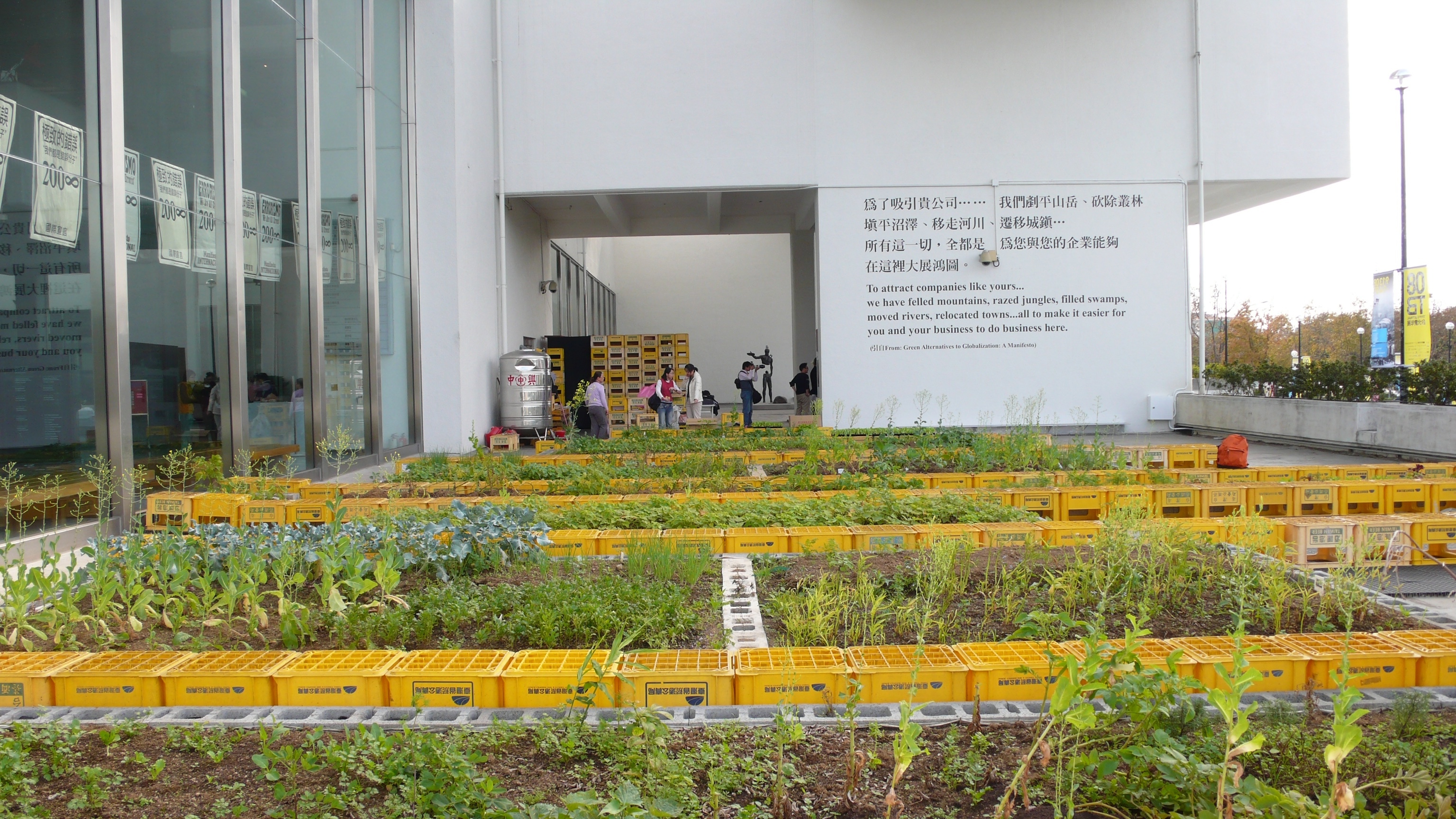
Wu Mali, Taipei Tomorrow As A Lake Again, 2008. Courtesy the artist.

Taipei Tomorrow As A Lake Again (2008) by Wu Mali was conceived for the 6th Taipei Biennial (2008)  at the Taipei Fine Arts Museum. The project merges installation with participatory public art, using the metaphor of Taipei’s potential return to its ancient state as a lake basin to address urgent questions about climate change, urban development, and sustainable futures.

Working in collaboration with the Organization of Urban Re’s (OURs), Wu transformed an outdoor platform of the museum into a temporary urban garden. Vegetables and greenery were cultivated in movable planters, symbolizing resilience and ecological adaptation within the built environment. Rather than remaining a static installation, the project invited the public to engage directly with the growth and transformation of the garden, blurring the line between exhibition and lived urban experience.

At its core, the work is less about producing a discrete art object and more about creating a platform for dialogue. Citizens, urban planners, community groups, and policymakers were all potential participants, asked to reflect on the consequences of rising sea levels and shifting hydrological systems. Could Taipei one day revert to a watery landscape? How might such scenarios reshape our imagination of urban life, community survival, and ecological coexistence?

The project also resonates with historical memory: approximately 10,000 to 8,000 years ago [1], the Taipei Basin was characterized by wetlands and waterways, which were gradually drained and reshaped through modernization. By recalling this past, Wu connects local memory to global concerns about climate change, flooding, and resource scarcity.

Ultimately, Taipei Tomorrow As A Lake Again exemplifies Wu Mali’s long-standing commitment to socially engaged art. It demonstrates how art can operate as both a symbolic gesture and a practical experiment, fostering conversations that extend far beyond the museum walls into the civic and ecological life of the city.

[1] Li H-C, Mii H-S, Liu T-K, et al. AMS 14C DATING AND STABLE ISOTOPE ANALYSIS ON AN 8-KYR OYSTER SHELL FROM TAIPEI BASIN: SEA LEVEL AND SST CHANGES. Radiocarbon. 2024;66(5):904-918. doi:10.1017/RDC.2023.117. Note: Cited by Taipei Biennial as a chronological reference.


Art as Environment - A Cultural Action at the Plum Tree Creek

2010-2012

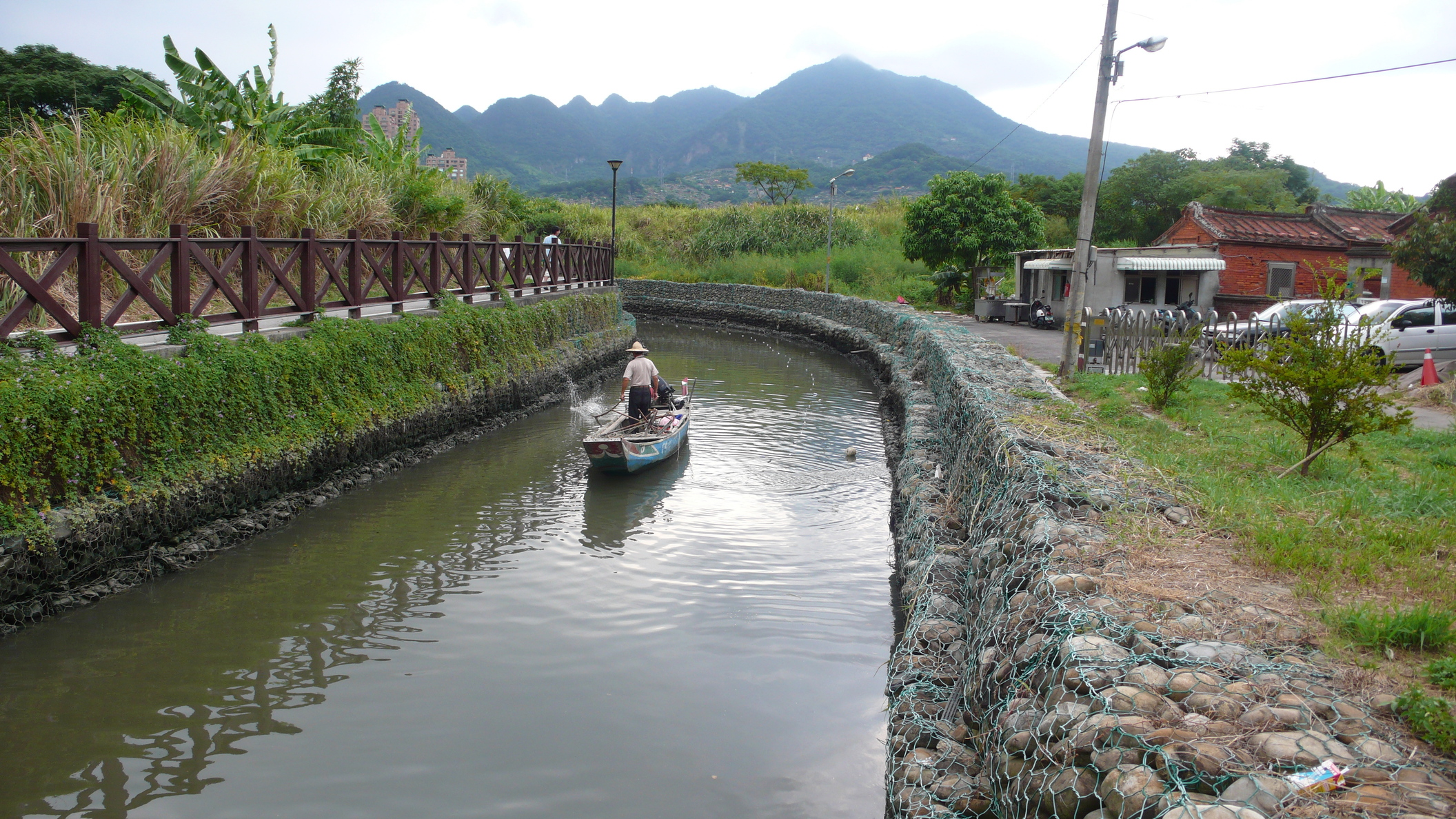
At the mouth of the stream, one can see a fishing boat and a traditional redbrick house.
Wu Mali, Art as Environment – A Cultural Action at the Plum Tree Creek, 2010-12. Courtesy the artist.

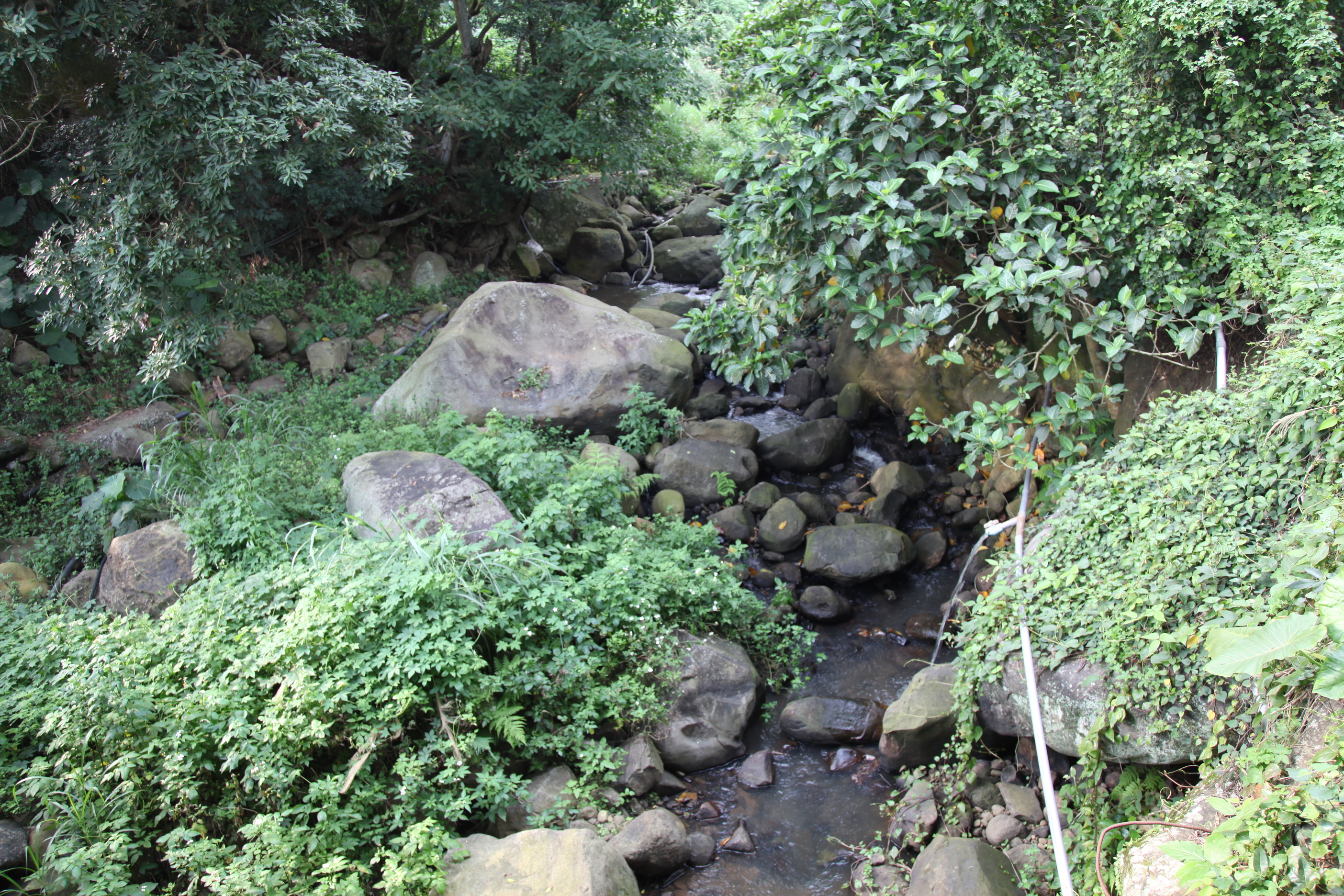
The upstreams creek, which has not been disturbed by humans, still has rich biodiversity.
Wu Mali, Art as Environment – A Cultural Action at the Plum Tree Creek, 2010-12. Courtesy the artist.

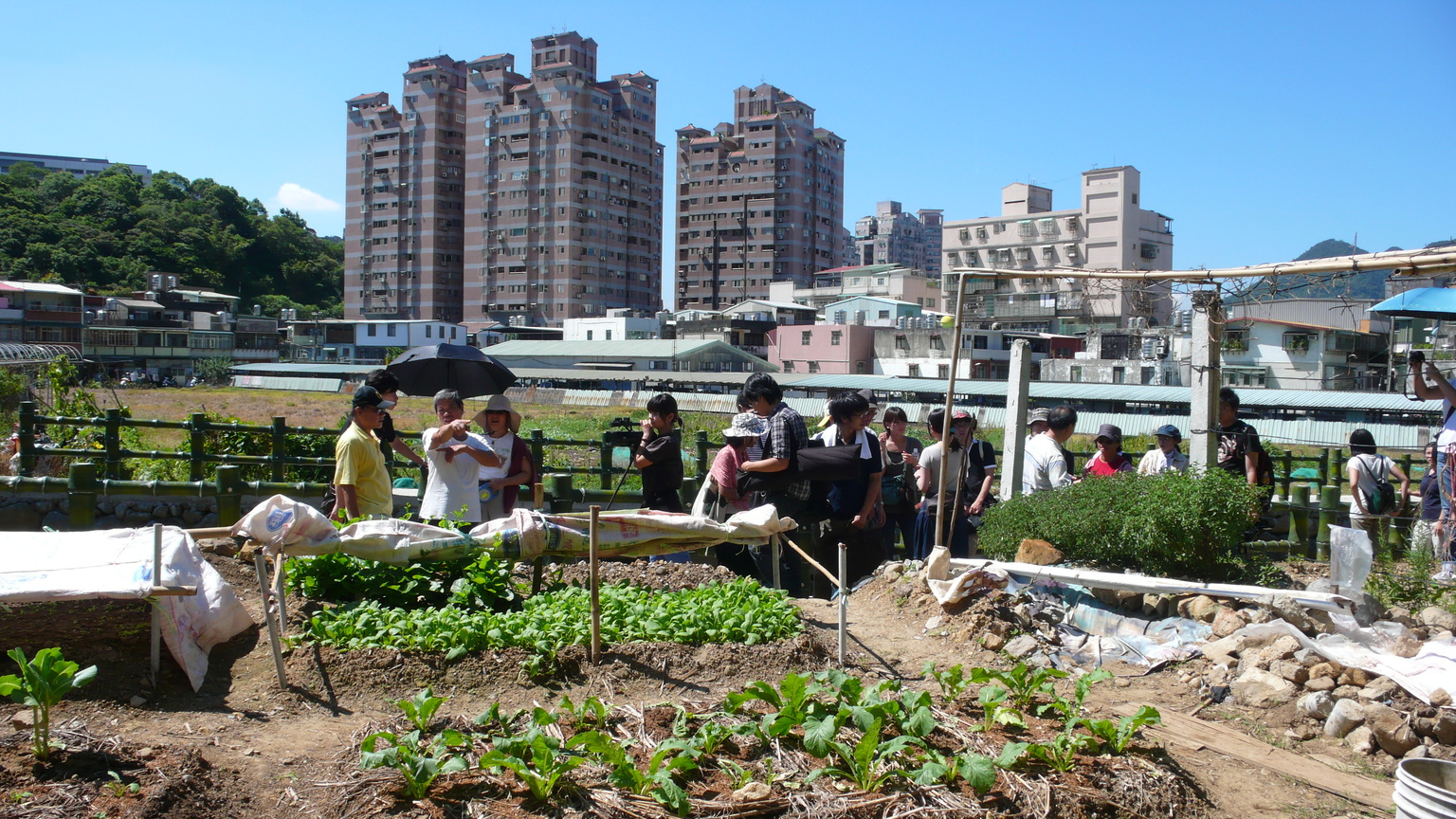
Visiting the residents who are farming leisurely by the creek to understand what ideal urban life could be.
Wu Mali, Art as Environment – A Cultural Action at the Plum Tree Creek, 2010-12. Courtesy the artist.

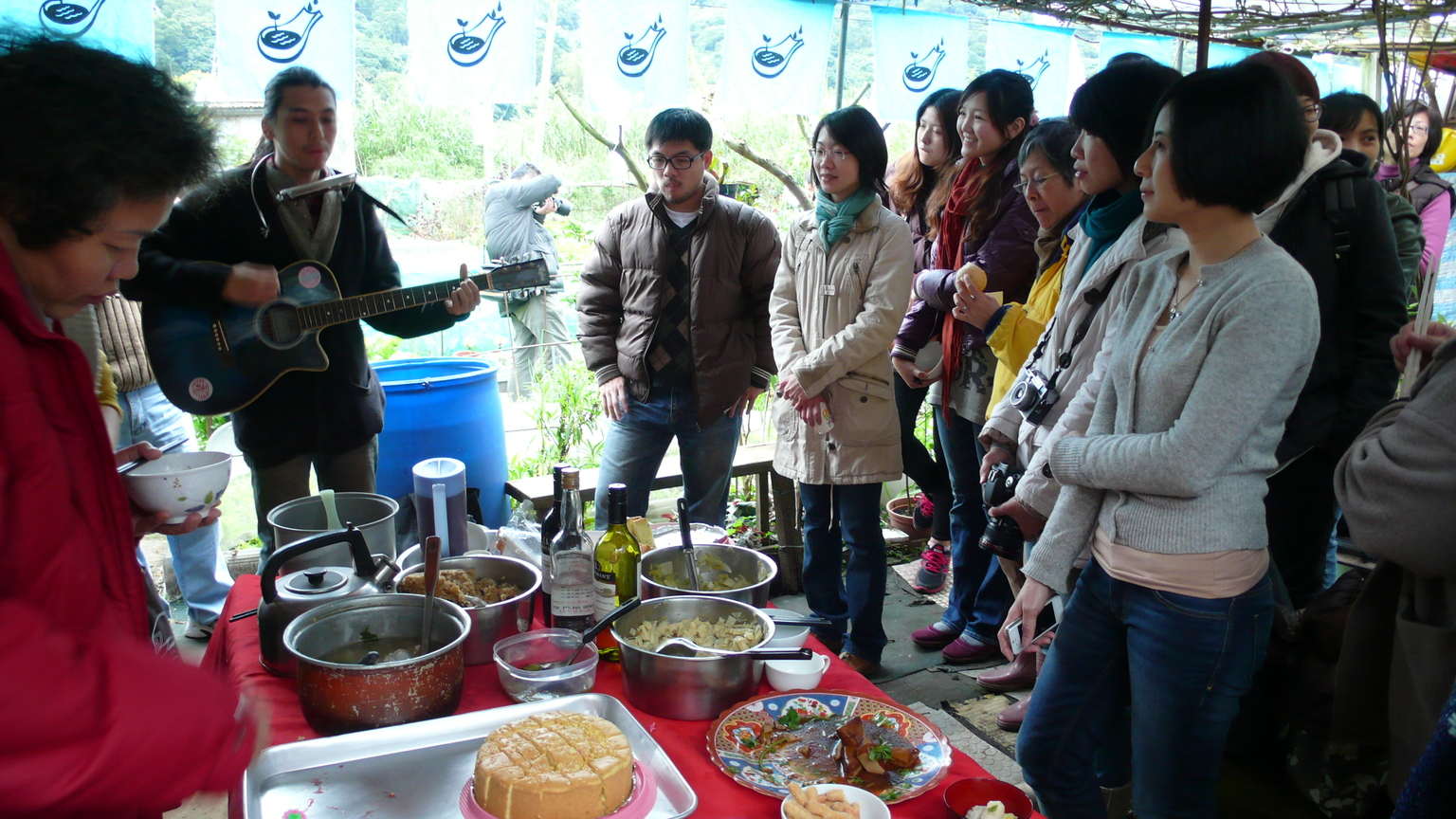
Cooking and sharing food from the garden by the creek.
Wu Mali, Art as Environment – A Cultural Action at the Plum Tree Creek, 2010-12. Courtesy the artist.

Art as Environment—A Cultural Action at Plum Tree Creek (2009–2012 ) is a long-term community-based project initiated by Wu Mali with Bamboo Curtain Studio in Zhuwei, New Taipei City. Rather than producing a conventional art object, the project uses artistic practice as a framework for ecological and social renewal.

Plum Tree Creek, once a vital waterway, has suffered from urbanization, sewage, and neglect. Wu and her collaborators invited residents, schools, and civic groups to reconnect with the creek through participatory activities: monthly “Plum Tree Creek Breakfasts” using local produce, walking and mapping tours, environmental classes such as “A Brook in Front of My School,” and theatrical or storytelling events. These small-scale yet recurring actions gradually fostered awareness of water quality, urban runoff, and the cultural history of the creek.

The project is open-ended and seasonal, acknowledging that ecological restoration cannot be achieved in a single gesture but requires ongoing collective care. Its outcomes include new social networks, informal water monitoring, and community–government dialogues about sustainable planning. Conceptually, Wu frames this as "Mending the Broken Land with Water" [2] aligning with new genre public art and socially engaged environmental practice.

Recognized by the 2013 Taishin Arts Award, Plum Tree Creek demonstrates how art can function as a civic platform, translating technical and environmental issues into shared rituals and narratives. By transforming ecological concern into collective imagination, the project shows how communities might reimagine their futures with rivers and waterways as central cultural actors.

[2] “以水連結破碎的土地──樹梅坑溪環境藝術行動.” 竹圍工作室. Accessed August 26, 2026. https://bambooculture.com/news/537.html.


Biography

Wu Mali

Wu Mali (b. 1957, Taipei) is an artist and Professor at the Graduate Institute of Interdisciplinary Art, National Kaohsiung Normal University, Taiwan. A highly influential practitioner and theorist of socially engaged art, she has developed numerous projects over a thirty-year long career. Her most recent solo show, Wu Mali. Working in Public 2006-2011, took place in Taipei in 2011. Her work has been included in biennials such as the 9th Shanghai Biennial, China (2012); 3rd Fukuoka Asian Art Triennale, Japan (2005); 46. Venice Biennial, Italy (1995). She received Taiwan‚ National Award for Arts in 2016, the Taishin Arts Award in 2013, and was appointed co-curator of the upcoming 11th Taipei Biennale, 2018.

Wu Mali. Courtesy the artist.

Conferences

Art as Social Catalyst: On My Art Journey and the Recent Development on the Taiwan Art Scene, Wu Mali

Presented at Layers of History: The Art of Taiwan and Its Multiplicities, Department of History of Art, College of Arts and Sciences, The Ohio State University, 28 February 2025

Further Reading

An Interview with Wu Mali, FIELD: A Journal of Socially-Engaged Art Criticism, Issue 3, Winter 2016